

Most travelers worldwide need a Kenya eTA before entering the country – but citizens of 76 nations are exempt, and children under 16 do not need one regardless of nationality. Since January 1, 2024, Kenya replaced its traditional visa system with the Electronic Travel Authorization (eTA), and understanding whether you qualify for an exemption can save you time and money.
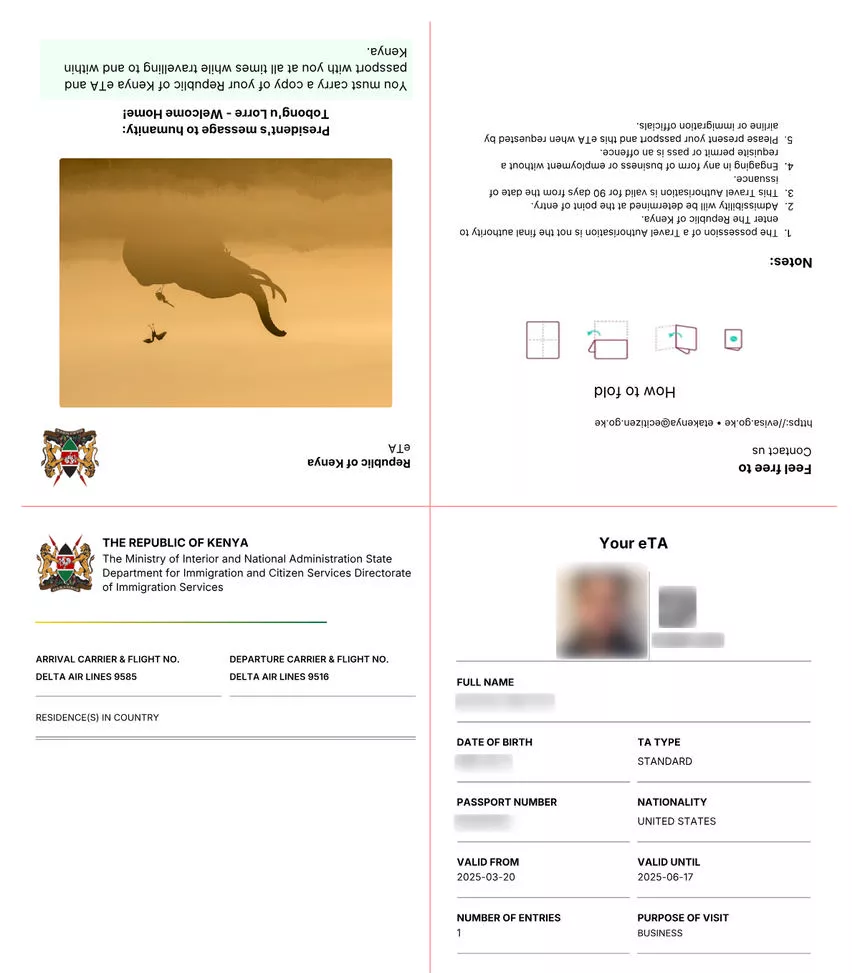
Who Needs a Kenya eTA?
Since January 1, 2024, Kenya abolished all traditional visas and replaced them with the eTA system. If you are not a citizen of an exempt country, you must apply for an eTA through the official portal at etakenya.go.ke before traveling.
The eTA is required for:
- Tourists visiting Kenya for leisure or safari
- Business travelers attending meetings or conferences
- Transit passengers who leave the airport international zone
- Students and researchers entering Kenya
- Family visits and personal travel
Every traveler, including infants and children, needs their own eTA – unless they qualify for an exemption. To learn more about the eTA system itself, see our complete Kenya eTA guide.
Countries Exempt from Kenya eTA
Citizens of 76 countries do not need an eTA to enter Kenya. These exemptions are organized into three tiers based on the length of stay allowed without authorization.
180-Day Exemption (East African Community Members)
Citizens of EAC member states can stay in Kenya for up to 180 days without an eTA. Rwanda and Uganda citizens may also enter using a national ID card instead of a passport.
| Country | Stay Allowed | Notes |
|---|---|---|
| Burundi | 180 days | EAC member |
| DR Congo | 180 days | EAC member |
| Rwanda | 180 days | National ID accepted |
| South Sudan | 180 days | EAC member |
| Tanzania | 180 days | EAC member |
| Uganda | 180 days | National ID accepted |
90-Day Exemption
Citizens of the following 42 countries can stay in Kenya for up to 90 days without an eTA:
| Country | Country | Country |
|---|---|---|
| Bahamas | Barbados | Belize |
| Botswana | Brunei | Comoros |
| Republic of the Congo | Cyprus | Dominica |
| Eritrea | Eswatini | Ethiopia |
| Fiji | Gambia | Ghana |
| Grenada | Guyana | Jamaica |
| Kiribati | Lesotho | Malawi |
| Malaysia | Maldives | Mauritius |
| Mozambique | Namibia | Nauru |
| Papua New Guinea | Saint Kitts and Nevis | Saint Lucia |
| Saint Vincent and the Grenadines | Samoa | San Marino |
| Seychelles | Sierra Leone | Singapore |
| South Africa | Tonga | Trinidad and Tobago |
| Tuvalu | Vanuatu | Zambia |
| Zimbabwe |
60-Day Exemption
Citizens of the following 28 countries can stay in Kenya for up to 60 days without an eTA:
| Country | Country | Country |
|---|---|---|
| Algeria | Angola | Benin |
| Burkina Faso | Cape Verde | Cameroon |
| Central African Republic | Chad | Cote d’Ivoire |
| Djibouti | Egypt | Equatorial Guinea |
| Gabon | Guinea | Guinea-Bissau |
| Liberia | Madagascar | Mali |
| Mauritania | Morocco | Niger |
| Nigeria | Sao Tome and Principe | Senegal |
| Sudan | Togo | Tunisia |
Special Exemptions
Children Under 16
Children under 16 years of age are exempt from the Kenya eTA requirement regardless of their nationality. They can enter Kenya with a valid passport and do not need to apply through the eTA portal. This applies to all nationalities, not just exempt countries.
Transit Passengers
Passengers transiting through Kenya who remain in the international zone of the airport do not need an eTA. However, if you plan to leave the airport during a layover – even for a few hours – you need a transit eTA or a standard eTA.
East African Tourist Visa Holders
If you hold a valid East African Tourist Visa (EATV), you do not need a separate Kenya eTA. The EATV covers entry to Kenya, Rwanda, and Uganda for 90 days with multiple entries.
What If You Are Not Exempt?
If your country is not on the exemption list, you must apply for a Kenya eTA before your trip. Here is a quick overview of the process:
- Visit etakenya.go.ke (the official portal)
- Create an account or log in
- Fill out the online application form
- Upload your passport photo and supporting documents
- Pay the fee ($32.50 for standard eTA)
- Wait for approval (usually 24-72 hours)
For detailed step-by-step instructions, read our guide on how to apply for a Kenya eTA.
Kenya eTA Types and Fees
| eTA Type | Fee | Validity | Entries |
|---|---|---|---|
| Standard eTA | $32.50 | 90 days | Single |
| Transit eTA | $20 | 72 hours | Single |
| 1-Year Multi-Entry | ~$100 | 1 year | Multiple |
| 5-Year Multi-Entry | ~$160 | 5 years | Multiple |
For a full breakdown of costs, see our Kenya eTA fee guide. To compare all visa types, visit our Kenya visa types overview.
How to Check If Your Country Is Exempt
The fastest way to confirm your eligibility is to:
- Check the exemption tables above for your nationality
- Visit the official Kenya eTA portal at etakenya.go.ke
- Contact the nearest Kenyan embassy or consulate
If you are unsure, it is always safer to apply for an eTA. The process is straightforward and approval typically takes 24-72 hours.
Common Eligibility Scenarios
Dual Citizens
If you hold citizenship in two countries and one is on the exemption list, you can enter Kenya using the passport of the exempt nationality. You do not need an eTA.
Permanent Residents (Non-Citizens)
Permanent residency in an exempt country does not grant eTA exemption. Only citizenship matters. If you are a permanent resident but not a citizen of an exempt country, you need an eTA.
Diplomatic and Official Passport Holders
Holders of diplomatic or official passports from certain countries may have separate arrangements. Check with the Kenyan Ministry of Foreign Affairs or your country’s diplomatic channels for specific agreements.
FAQs About Kenya eTA Eligibility
Do US citizens need a visa or eTA for Kenya?
US citizens need a Kenya eTA, not a traditional visa. Kenya abolished visas on January 1, 2024, and replaced them with the eTA system. US citizens are not on the exemption list and must apply online at etakenya.go.ke before traveling. The standard eTA costs $32.50. See our Kenya eTA for US citizens guide for details.
Do UK citizens need an eTA for Kenya?
Yes, UK citizens need a Kenya eTA. The UK is not on the exemption list. British passport holders must apply for an eTA through the official portal before departure. The standard eTA costs $32.50 and is usually processed within 24-72 hours. Read our UK citizens guide for more information.
Do Indian citizens need an eTA for Kenya?
Indian citizens need a Kenya eTA to enter the country. India is not on the exemption list. Indian passport holders must apply online at etakenya.go.ke and pay $32.50 for a standard single-entry eTA. Our Kenya eTA for Indian citizens guide covers the full process.
Can children travel to Kenya without an eTA?
Yes, children under 16 years old are exempt from the Kenya eTA requirement regardless of their nationality. They can enter Kenya with a valid passport only. This exemption applies to all nationalities, including those whose parents need an eTA.
Do I need an eTA for a connecting flight through Kenya?
If you stay in the international transit zone of the airport, you do not need an eTA. However, if you leave the airport during a layover, you need a transit eTA ($20) or a standard eTA ($32.50). See our Kenya transit visa guide for details.
Is Kenya visa-free for African countries?
Many African countries are exempt from the Kenya eTA requirement, but not all. Citizens of 34 African nations can enter without an eTA for 60-180 days depending on their country. However, citizens of countries like South Africa, Nigeria, and Ghana need an eTA if they want to stay beyond the exemption period. Check the exemption tables above for your specific country.
What happens if I overstay my exemption period?
Overstaying your allowed exemption period in Kenya can result in fines, detention, and future entry bans. If you plan to stay longer than your exemption allows, apply for the appropriate eTA or visa extension before your permitted stay expires. Contact the Kenya Department of Immigration Services for extensions.
Can I work in Kenya with an eTA or exemption?
No. The eTA and eTA exemptions are for tourism, business visits, and transit only. To work in Kenya, you need a separate work permit issued by the Kenya Department of Immigration Services. Working without the proper authorization is illegal and can result in deportation.